Selko IntelliBond® hydroxy trace minerals support laying persistency and reduce mineral excretion
- Poultry
For poultry producers, it is becoming increasingly important to keep hens productive for longer without adding pressure on the environment or manure management.

A recent study by the University of Sydney, involving 320 Hy-Line Brown hens between 60 and 100 weeks of age, shows that hydroxy trace minerals can make an important contribution in this area.
In the trial, traditional sulphate sources of zinc, manganese and copper were compared with IntelliBond hydroxy trace minerals and a hydroxy/organic combination. Hens receiving hydroxy trace minerals achieved higher laying performance over the full trial period than birds fed inorganic sources. The highest production was achieved with IntelliBond hydroxy trace minerals.
In addition to producing more eggs, hens fed hydroxy trace minerals also produced more egg mass. Notably, this benefit was achieved without differences in feed intake or feed conversion. This supports the view that more bioavailable trace minerals are used more efficiently for physiological processes involved in production and eggshell formation.
A second important outcome was the clear reduction in copper and zinc excretion. When hydroxy trace minerals were used, copper concentration in manure decreased by approximately 21 to 26% compared with sulphate sources. This creates opportunities to reduce the mineral load in manure streams without compromising technical performance.
Although the age-related decline in shell strength was not fully prevented, hens fed hydroxy trace minerals did have a higher proportion of eggshell in the total egg at 100 weeks of age. This indicates that mineral nutrition continues to support eggshell formation in the final phase of the laying cycle.
These results confirm that the choice of mineral source is more than a formulation decision. IntelliBond hydroxy trace minerals combine high bioavailability with low reactivity in feed and can contribute to improved laying persistency as well as reduced mineral excretion. Particularly in systems where extended laying cycles and sustainability are key priorities, hydroxy trace minerals offer a valuable strategy.
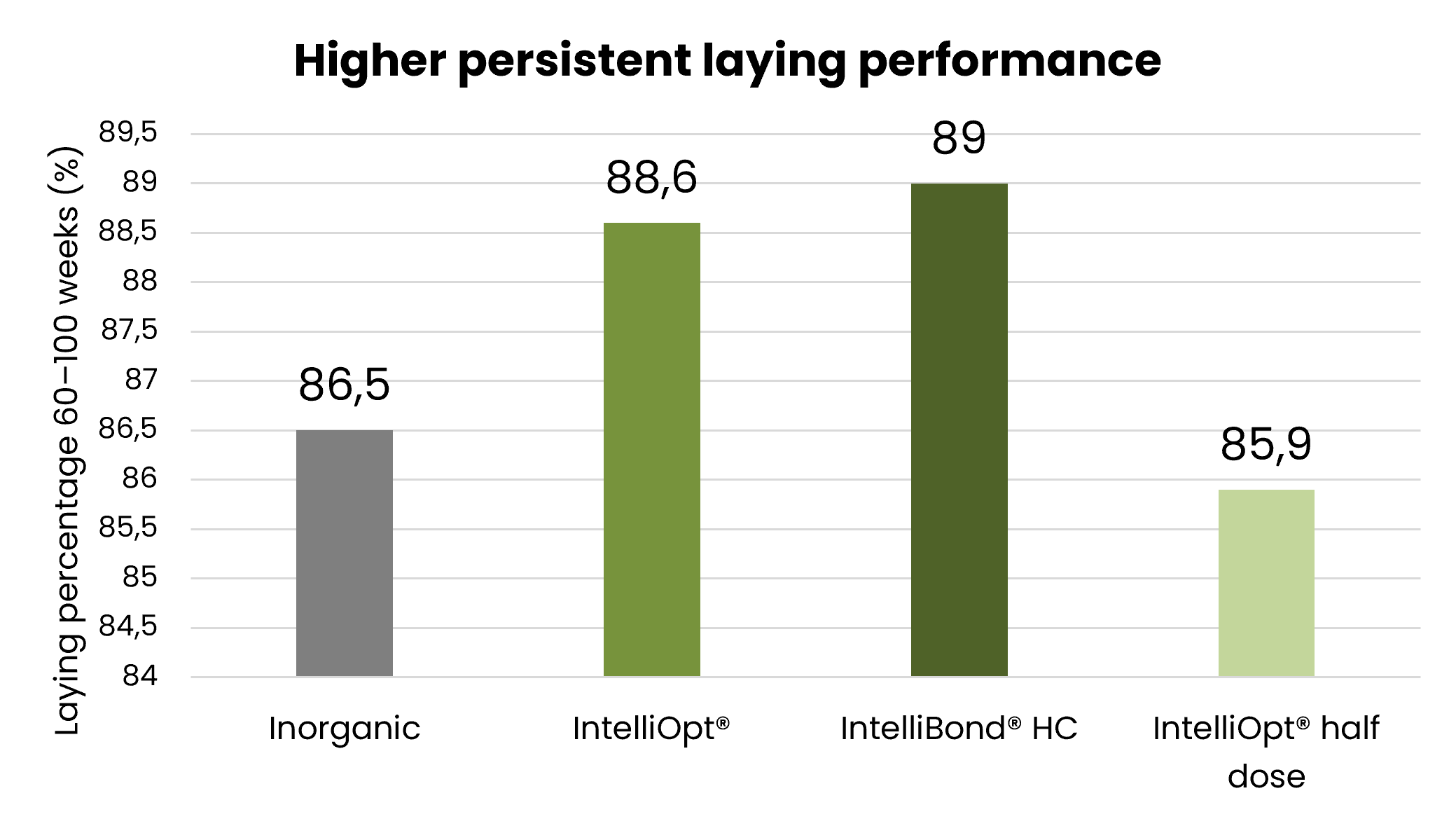
Figure 1. Relative laying performance of hens receiving different trace mineral sources during the extended laying period.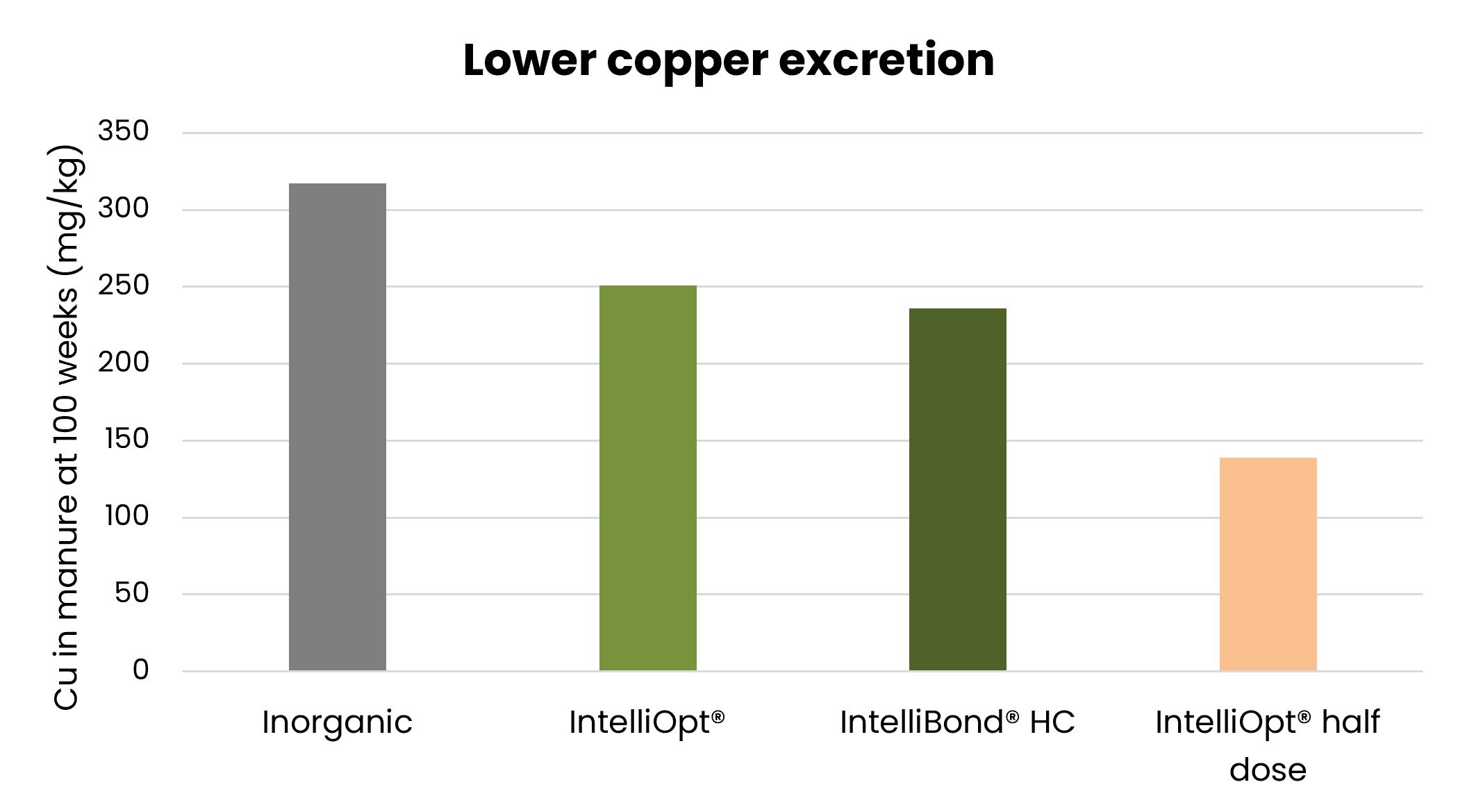
Figure 2. Relative copper and zinc concentration in manure when hydroxy trace minerals are used instead of sulphate trace mineral sources.